
Astaxanthin and Melasma: What the Research Shows About Hyperpigmentation Mechanisms
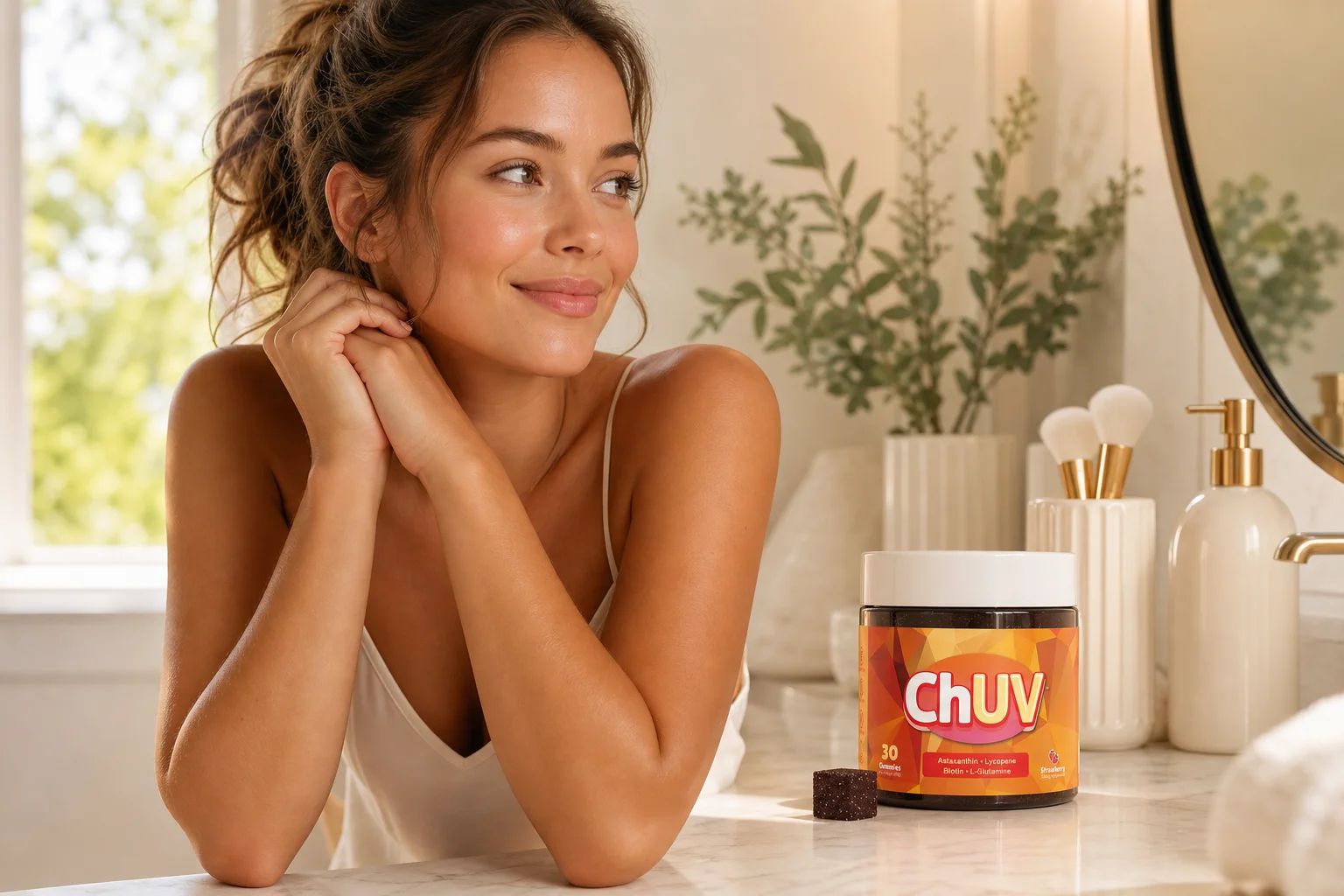
Astaxanthin and melasma share a compelling connection in recent dermatology research. This carotenoid antioxidant, derived from Haematococcus pluvialis algae, targets the oxidative stress pathways that trigger excess melanin production. For those seeking a natural approach to hyperpigmentation, ChUV Tanning Gummies combine astaxanthin with lycopene to address these mechanisms from within.
By CAYO Nutra Team, Supplement Specialists
What Is Melasma and Why Does Hyperpigmentation Happen?
Melasma is a form of hyperpigmentation characterized by brown or grayish-brown patches, most commonly appearing on the face, particularly the cheeks, forehead, and upper lip. It affects an estimated 5 to 6 million people in the United States alone, with significantly higher prevalence in women and in individuals with darker skin tones.
At the cellular level, melasma results from overactive melanocytes, the skin cells responsible for producing melanin, the pigment that gives skin its color. Several triggers accelerate melanocyte activity: UV radiation, hormonal fluctuations (particularly during pregnancy or with oral contraceptive use), heat exposure, and, crucially, oxidative stress. When the skin experiences sustained oxidative stress, it sets off a signaling cascade that tells melanocytes to ramp up production, leading to uneven pigment deposits in the upper layers of skin.
Age spots follow a similar mechanism, making antioxidant-based interventions relevant to both conditions. Understanding how damage at the cellular level propagates into visible pigmentation is the foundation for understanding where astaxanthin fits in.
The Oxidative Stress Connection: Free Radicals and Melanin Overproduction
Oxidative stress occurs when free radicals, unstable molecules produced by UV exposure, pollution, and metabolic processes, outpace the body's natural antioxidant defenses. This imbalance damages cell membranes, DNA, and signaling proteins, triggering inflammatory responses that upregulate melanogenesis (melanin synthesis).
Specifically, oxidative stress activates the enzyme tyrosinase, the key rate-limiting catalyst in the melanin production pathway. Tyrosinase converts the amino acid tyrosine into dopaquinone, which then polymerizes into melanin pigments. When free radicals continuously stimulate this enzyme, melanin production outpaces normal skin turnover, leaving visible dark patches.
Antioxidants work by neutralizing free radicals before they can trigger this cascade. The more powerful the antioxidant, the earlier it can interrupt the chain reaction. This is where astaxanthin's unique molecular structure becomes clinically relevant.
For a broader look at how astaxanthin's antioxidant properties protect skin at the cellular level, see our guide to astaxanthin clinical studies.
Astaxanthin and Melasma: How the Carotenoid Targets Hyperpigmentation at the Cellular Level
Astaxanthin is a xanthophyll carotenoid extracted primarily from Haematococcus pluvialis, a freshwater microalgae that produces astaxanthin as a protective response to UV stress. This origin matters: the algae's biological purpose for creating astaxanthin is to shield itself from the same oxidative damage that drives hyperpigmentation in human skin.
What makes astaxanthin powerful among antioxidants is its molecular geometry. Unlike most antioxidants, which neutralize free radicals at one end of their molecular chain, astaxanthin spans the entire cell membrane, neutralizing radicals on both the interior and exterior surfaces simultaneously. Research has consistently shown astaxanthin to be significantly more potent than vitamin E (tocopherol) and vitamin C (ascorbic acid) in singlet oxygen quenching, the primary mechanism relevant to UV-induced oxidative stress.
In the context of melasma, this broad-spectrum free radical neutralization may reduce the sustained tyrosinase activation that produces dark patches. Additionally, astaxanthin has demonstrated direct inhibitory effects on tyrosinase in laboratory studies, suggesting a dual mechanism: reducing the oxidative signals that trigger melanin production and potentially interfering with the enzymatic process itself.
A 2012 study by Tominaga et al., published in Carotenoid Science, examined astaxanthin supplementation and skin condition in healthy adults, documenting improvements in skin moisture levels, elasticity, and texture. While not a dedicated melasma trial, these results support the idea that the benefits astaxanthin provides as an antioxidant translate meaningfully to visible skin outcomes.

Astaxanthin Versus Other Carotenoids: Sourcing, Form, and Bioavailability
Not all carotenoids deliver the same benefits for skin tone management. Astaxanthin and lycopene, the two carotenoids in ChUV, differ meaningfully from other compounds in this family in their mechanisms and their effects on skin color.
Lycopene, the red pigment found in tomatoes and other red food sources, contributes to skin's natural warm tone through a complementary pathway. Research by Stahl et al. (2001, Journal of Nutrition) demonstrated that dietary lycopene reduces UV-induced erythema, offering photoprotective benefits that work alongside astaxanthin's antioxidant action.
Astaxanthin from Haematococcus pluvialis is considered the best form for supplementation due to its higher bioavailability compared to synthetic astaxanthin. The natural extract form retains a specific stereochemical configuration (3S, 3'S) that matches the form most efficiently processed by the human body. Synthetic versions often contain a mixture of stereoisomers with lower biological activity.
The distinction matters because serum astaxanthin levels after supplementation depend on both dose and bioavailability. To understand how sourcing decisions shape supplement quality, read Inside Our Astaxanthin Lab Search: Why Most Suppliers Don't Make the Cut.
What Recent Research Shows About Carotenoids and Skin Pigmentation
Recent clinical research has begun to map the specific pathways through which carotenoid supplementation affects skin tone and hyperpigmentation. A 2020 study in Nutrients (Davinelli et al.) found that 8 weeks of astaxanthin supplementation improved skin moisture, elasticity, and reduced the appearance of age spots in women aged 40 to 60. The researchers attributed these improvements to astaxanthin's capacity to reduce reactive oxygen species at the skin surface.
A separate body of research on lycopene from red food sources establishes its ability to partially photoprotect skin after ingestion. A study by Aust et al. (2005, Journal of Investigative Dermatology) showed that 16 weeks of tomato paste supplementation significantly reduced UV-induced damage markers in skin biopsies.
For those dealing with conditions where inflammation intersects with pigmentation, since melasma is often worsened by inflammatory triggers, astaxanthin's anti-inflammatory properties add another layer of relevance. Our guide to astaxanthin and eczema covers how astaxanthin modulates inflammatory pathways in the skin.
Photoaging and melasma share overlapping mechanisms, a topic covered in detail in our guide to how astaxanthin fights photoaging.
The Role of Salmon and Natural Food Sources in Astaxanthin Intake
Astaxanthin is naturally present in salmon (particularly wild-caught varieties), shrimp, krill, and other marine organisms that consume Haematococcus pluvialis algae. The characteristic pink-red color of salmon flesh comes directly from accumulated astaxanthin. This natural food source pathway illustrates why astaxanthin is classified as a carotenoid: these compounds are fat-soluble pigments that bioaccumulate through the food chain.
However, obtaining therapeutically relevant levels of astaxanthin through food alone presents a real challenge. The amounts found in salmon, while nutritionally meaningful, fall well below the 4 to 12 mg daily doses studied in clinical research on skin health. Supplements derived from concentrated Haematococcus pluvialis extract allow for consistent, measurable daily intake, which is why the form matters in translating research findings to real-world health outcomes.
Frequently Asked Questions
Can astaxanthin reduce melasma?
Research on astaxanthin and melasma is still emerging, but the skin benefits astaxanthin provides through antioxidant and tyrosinase-inhibiting mechanisms suggest it may support hyperpigmentation management. Clinical trials specifically targeting melasma are limited, but broader skin pigmentation studies show promising results for reducing age spots and improving overall skin tone with regular supplementation.
How long does astaxanthin take to affect skin tone?
Most clinical studies report observable changes in skin parameters after 8 to 12 weeks of consistent supplementation. Results depend on the dose, the bioavailability of the extract form used, and individual factors including baseline oxidative stress levels and sun exposure habits.
Is astaxanthin better than a topical serum for hyperpigmentation?
Astaxanthin supplements and topical treatments work through different delivery mechanisms. Oral astaxanthin reaches skin cells from within, potentially addressing oxidative stress at a systemic level, while topical serums target localized areas directly. Many dermatologists consider a combined approach most effective, though clinical evidence specifically comparing oral astaxanthin to standard topical treatments remains limited.
What is the best dose of astaxanthin for skin health?
Research on astaxanthin and skin benefits has used doses ranging from 4 mg to 12 mg per day. A 2012 study by Tominaga et al. in Carotenoid Science used 6 mg per day and observed significant improvements in skin elasticity, moisture, and texture. Consulting a health professional before beginning any supplements regimen is recommended.
Are there side effects from astaxanthin supplements?
Astaxanthin from Haematococcus pluvialis extract has a strong safety record in published research. At the doses used in skin health studies (4 to 12 mg daily), no serious adverse effects have been documented. As with all supplements, individual responses vary, and those with shellfish allergies should confirm the production source before use.
Find Out If ChUV Is Right for Your Skin
The research on astaxanthin and melasma continues to build a compelling picture of how targeted antioxidants can support skin health from within. If you have questions about your routine or want to learn more about how ChUV fits your goals, reach out via our Contact page and the CAYO Nutra team will walk you through the science.


