
Astaxanthin for Joint Pain
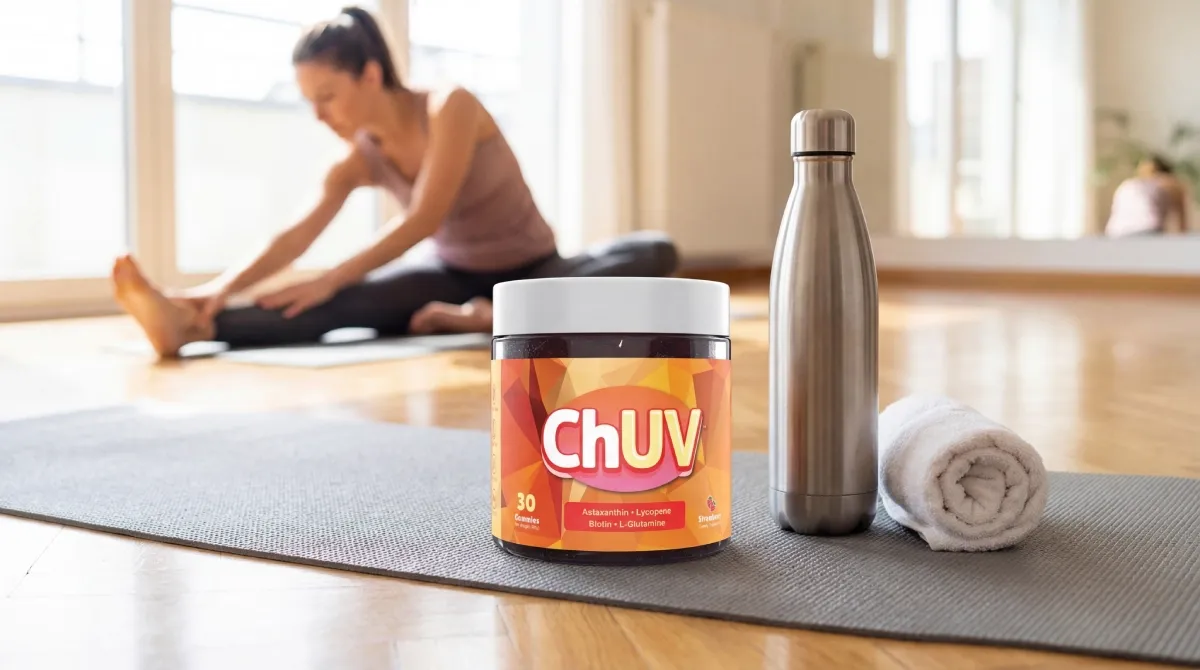
Astaxanthin is a carotenoid under investigation for its potential to reduce joint pain and inflammation. Present in several marine organisms, it acts through mechanisms that may benefit people with joint conditions. This article reviews how astaxanthin works, its antioxidant and anti‑inflammatory effects, influence on arthritis symptoms, recommended dosages and safety considerations, and the synergistic interaction with lycopene—particularly as formulated in CAYO Nutraceuticals' ChUV tanning gummies. The goal is to help you make informed decisions about incorporating astaxanthin into a health regimen.
How Does Astaxanthin Reduce Joint Pain and Inflammation?
Astaxanthin reduces joint pain and inflammation largely through potent antioxidant activity. It neutralizes free radicals and modulates inflammatory signalling, helping relieve joint discomfort. Specifically, astaxanthin can inhibit the NF‑κB pathway, lowering production of pro‑inflammatory cytokines. These actions support symptom management and overall joint integrity.
For those seeking to enhance joint health, CAYO Nutraceuticals offers astaxanthin supplements manufactured in the USA and tested by third parties to verify quality and efficacy. Their products may be used as an adjunct to a comprehensive wellness routine.
What Are the Antioxidant and Anti-Inflammatory Properties of Astaxanthin?
Astaxanthin shows notable antioxidant capacity compared with many carotenoids. It effectively neutralizes free radicals and helps protect cells from oxidative stress, a central factor in inflammatory signalling. Its molecular structure supports efficient passage across cell membranes, which may improve protection of joint tissues and modulate inflammatory pathways.
How Does Astaxanthin Impact Arthritis Symptoms?
Clinical research indicates astaxanthin can improve arthritis symptoms. Participants in trials who supplemented with astaxanthin reported reduced pain scores and better joint function. The compound's anti‑inflammatory effects likely contribute to these improvements. Continued use, alongside conventional care when appropriate, may offer sustained support for joint health.
Additional studies support astaxanthin's efficacy in improving outcomes for chronic inflammatory conditions such as rheumatoid arthritis.
Astaxanthin Improves RA Outcomes & Inflammatory Factors
Rheumatoid Arthritis (RA) is a chronic, systemic inflammatory disease that results in joint destruction and progressive disability. This randomized, triple‑blind, placebo‑controlled clinical trial evaluated the effect of astaxanthin (ASX) on clinical outcomes, quality of life, and inflammatory factors in patients with RA. Sixty patients were randomly allocated into two groups and received 20 mg per day of ASX or placebo.
Astaxanthin supplement improves clinical outcomes, quality of life, and inflammatory factors in patients with rheumatoid arthritis: a randomized clinical trial, A Tabatabaeyan, 2025
What Is the Recommended Dosage and Safety Profile of Astaxanthin for Joint Health?
Recommended dosages for joint health typically range from 4 to 12 mg per day, adjusted for individual needs and medical history. Consult a healthcare professional before starting any supplement, particularly if you have pre‑existing conditions or take medications. Astaxanthin is generally well tolerated, with few reported adverse effects, and can be a viable option for many seeking natural joint pain relief.
To support wellness efforts, consider exploring the product range from CAYO Nutraceuticals, a company that emphasises quality control and efficacy.
What Dosage of Astaxanthin Is Effective for Managing Joint Pain?
Clinical evidence supports a daily intake of 4 to 12 mg as an effective range for managing joint pain, though some studies use higher doses for specific conditions. Monitor individual response to supplementation, since factors such as body weight, overall health, and pain severity can influence optimal dosing.
Are There Any Side Effects or Precautions When Using Astaxanthin?
Astaxanthin is typically well tolerated. Some people report mild gastrointestinal discomfort or, at very high doses, changes in skin pigmentation. Pregnant or breastfeeding individuals and those with known allergies should consult a healthcare provider before use. When taken within recommended guidelines, astaxanthin is considered a safe option for supporting joint health.
How Do Astaxanthin and Lycopene Work Together to Support Joint and Skin Wellness?

Astaxanthin and lycopene act synergistically to support joint and skin wellness. Astaxanthin reduces inflammation and oxidative stress in joint tissues, while lycopene helps protect skin by mitigating UV‑induced damage and supporting collagen integrity. Together, they offer a coordinated approach to joint symptoms and skin vitality.
What Are the Combined Antioxidant Benefits of Astaxanthin and Lycopene?
The combined antioxidant effects of astaxanthin and lycopene enhance defense against oxidative stress, which helps maintain joint and skin health. This synergy can support joint function and may reduce visible signs of aging. Including both carotenoids—via diet or supplements—contributes to a well‑rounded wellness strategy.
How Do ChUV Tanning Gummies Deliver These Nutrients Effectively?
CAYO Nutraceuticals' ChUV tanning gummies are formulated to deliver astaxanthin and lycopene with attention to compound stability and absorption. The gummies use a dual‑extraction process to preserve bioactive constituents and support bioavailability. A convenient, palatable format can help ensure consistent daily intake to support joint and skin health.
What Natural Alternatives Exist for Traditional Joint Pain Treatments?
Several natural alternatives exist for joint pain treatment, including:
- Turmeric: Contains curcumin, which has anti-inflammatory properties.
- Glucosamine and Chondroitin: Commonly used supplements that support joint health.
- Omega-3 Fatty Acids: Found in fish oil, these can help reduce inflammation.
These alternatives can complement astaxanthin supplementation, creating a multifaceted approach to managing joint pain naturally.
How Do Anti-Inflammatory Supplements Compare to Conventional Arthritis Medications?
Anti‑inflammatory supplements such as astaxanthin provide a natural alternative to conventional arthritis medications. Prescription therapies can carry a broader range of adverse effects, whereas natural supplements often have a more favorable safety profile. Efficacy varies among individuals; consult a healthcare professional to determine the most appropriate approach for your condition.
What Role Do Carotenoids Play in Natural Joint Inflammation Relief?
Carotenoids, including astaxanthin and lycopene, are important in natural strategies for relieving joint inflammation. Their antioxidant properties counter oxidative stress, a key driver of inflammatory processes. Incorporating carotenoids into the diet supports the body's defenses against joint pain and contributes to overall joint health.


