
Astaxanthin and Rosacea: The Anti-Inflammatory Research, Honestly Explained
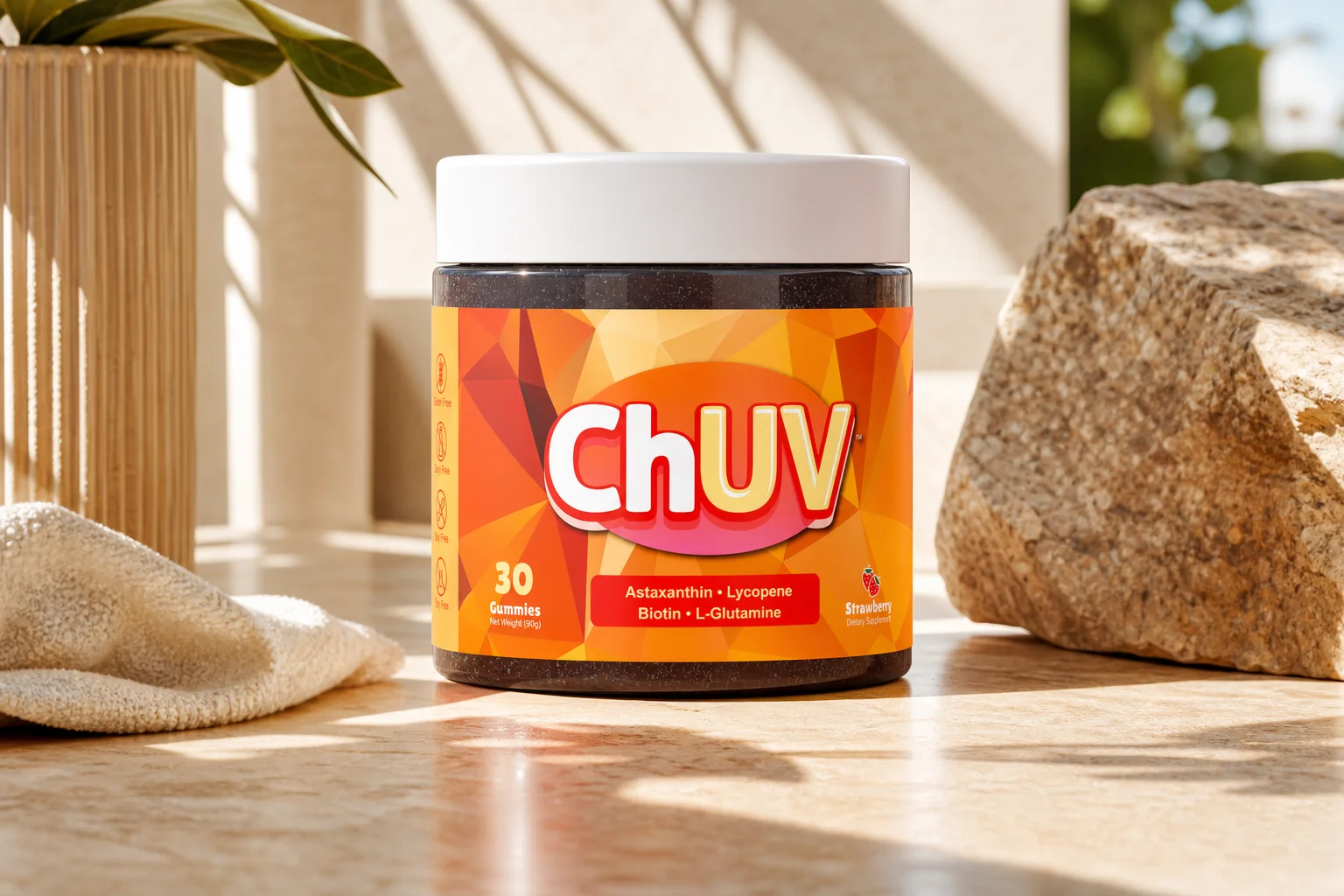
Research into astaxanthin and rosacea is still early, but the anti-inflammatory and antioxidant properties of this carotenoid are generating genuine scientific interest for people with sensitive, reactive skin. Here is what the published evidence actually says, what remains unknown, and how ChUV Tanning Gummies fit into the picture.
By CAYO Nutra Team, Supplement Specialists
What Is Astaxanthin and Why Researchers Are Interested
Astaxanthin is a naturally occurring carotenoid pigment produced primarily by microalgae, most notably Haematococcus pluvialis. When salmon, shrimp, and flamingos consume this algae or organisms that feed on it, they accumulate astaxanthin in their tissues, producing the characteristic pink-red coloration those species are known for. As a supplement, astaxanthin has been studied for decades, but its applications for skin health have drawn growing research attention.
What sets astaxanthin apart from most antioxidants is its molecular structure. Unlike vitamin C, which operates in water-based cellular environments, or vitamin E, which works within lipid membranes, astaxanthin spans the entire cell membrane. This positioning allows it to neutralize free radicals on both the hydrophilic and lipophilic surfaces of cells simultaneously, making it one of the more structurally versatile antioxidants in clinical nutrition research.
A 2011 study published in Carotenoid Science by Yamashita found that oral astaxanthin supplementation improved skin moisture, elasticity, and the appearance of fine lines in human subjects over an eight-week period. Researchers attributed these changes to astaxanthin's ability to reach dermal tissue via oral supplementation and reduce oxidative stress at the cellular level.
How Rosacea Develops: The Role of Inflammation and Free Radicals
Rosacea is a chronic inflammatory skin condition that affects the central face, causing persistent redness, visible blood vessels, and recurring flushing episodes. Some subtypes include papules and pustules. People with sensitive skin are disproportionately affected, and common triggers include UV exposure, heat, stress, alcohol, and certain foods.
At a cellular level, inflammation drives all rosacea subtypes. Research published by Yamasaki and Gallo in the Journal of Investigative Dermatology (2009) identified abnormal cathelicidin activation as a central driver. Cathelicidins, antimicrobial peptides that protect the skin, trigger vascular dilation and recruit pro-inflammatory immune cells when overexpressed. This produces the persistent redness and flushing that characterize the condition.
Rosacea also involves elevated levels of reactive oxygen species, the clinical term for free radicals, within the skin. UV exposure, temperature fluctuations, and dietary triggers all generate oxidative bursts that worsen symptoms. A 2012 review by Tisma et al. in Clinical and Experimental Dermatology found that antioxidant capacity is measurably lower in rosacea patients compared to controls, suggesting that affected skin struggles to neutralize oxidative stress independently.
The Vascular and Neurogenic Component
Beyond immune cell activation, rosacea involves abnormal blood vessel dilation. Vessels in affected skin dilate more readily and remain dilated longer, and neurogenic inflammation, where nerve signals amplify vessel dilation, contributes to sustained redness. For people with sensitive skin, even mild environmental exposure can initiate this cascade. Researchers investigating rosacea have therefore shown particular interest in antioxidants that support vascular integrity and reduce cytokine production.
The Research on Astaxanthin and Rosacea: What Studies Actually Show
The honest position on astaxanthin and rosacea is this: no large, double-blind, placebo-controlled clinical trial has tested astaxanthin specifically in rosacea patients at the time of this writing. Claiming otherwise overstates the evidence.
What the literature does provide is a strong mechanistic rationale and a body of anti-inflammatory research directly targeting the pathways involved in rosacea. Park et al. published a study in Molecules (2020) demonstrating that astaxanthin inhibits NF-kappaB, a transcription factor that controls production of pro-inflammatory cytokines including TNF-alpha, IL-1 beta, and IL-6. These same cytokines are elevated in rosacea patients and drive much of the sustained redness and tissue inflammation.
A 2019 review by Ambati et al. in Marine Drugs synthesized over 50 astaxanthin studies and concluded that astaxanthin consistently reduces markers of systemic inflammation and oxidative stress in human and animal subjects. The review specifically highlighted effects on vascular inflammation, one of rosacea's core mechanisms.
A controlled human study by Tominaga et al. in Acta Biochimica Polonica (2012) found that six weeks of oral astaxanthin supplementation reduced oxidative stress markers, improved skin moisture, and decreased fine line depth in female subjects. Participants with self-reported sensitive skin showed the most notable improvements.
The emerging picture from the astaxanthin and rosacea literature is that the compound addresses the underlying biochemistry through multiple pathways directly relevant to rosacea. The gap is a dedicated clinical trial. Until that trial exists, astaxanthin is accurately described as systemic anti-inflammatory and antioxidant support, not a targeted rosacea treatment.

Astaxanthin vs. Beta Carotene: A Critical Distinction for Sensitive Skin
Not all carotenoids behave the same in the body, and for anyone with sensitive skin or a rosacea-prone complexion, this difference matters considerably.
Beta carotene, found in older tanning supplements and many multivitamins, is a provitamin A compound. At higher supplemental doses, it is associated with carotenodermia, a condition in which the skin develops an unnatural yellowish-orange discoloration, particularly noticeable on the palms and soles. For someone already managing the redness and reactivity of rosacea-prone skin, adding unnatural orange tinting is counterproductive.
Astaxanthin does not convert to vitamin A and does not cause unnatural discoloration. Its contribution to skin tone supports a natural warm glow, consistent with the intended outcome of sun-support supplementation. ChUV uses astaxanthin and lycopene as its carotenoids, not beta carotene. That formulation choice reflects a deliberate approach to skin health outcomes rather than a shortcut to cheaper pigment loading.
How Lycopene and Astaxanthin Work Together for Skin Health
ChUV pairs astaxanthin with lycopene, the carotenoid responsible for the red color in tomatoes, watermelon, and guava. This combination is scientifically deliberate. Lycopene is among the most potent singlet oxygen quenchers among all dietary carotenoids. A 2001 study by Stahl and Sies published in Archives of Biochemistry and Biophysics measured quenching rate constants for multiple carotenoids and found lycopene significantly more effective than beta carotene at neutralizing singlet oxygen, one of the primary forms of free radicals generated by UV exposure.
For people with rosacea, UV exposure is one of the most reliable flare triggers. Lycopene's targeted neutralization of UV-generated free radicals complements astaxanthin's broader inflammatory signal suppression. Together, the two carotenoids address both upstream oxidative stress and the downstream inflammatory amplification involved in rosacea flares.
Lycopene and astaxanthin also deposit in dermal tissue over time, where their red-spectrum pigmentation contributes to skin tone from within. This mechanism explains how oral carotenoid supplementation supports a natural warm glow without requiring UV exposure as a prerequisite for skin color change.
Frequently Asked Questions
Can astaxanthin reduce rosacea redness?
Mechanistic research shows astaxanthin inhibits NF-kappaB activation and reduces pro-inflammatory cytokines including TNF-alpha and IL-6, which drive rosacea redness. There is no dedicated clinical trial in rosacea patients yet. The evidence supports astaxanthin as systemic anti-inflammatory support, not as a primary treatment. Discuss any new supplement with a dermatologist managing your rosacea care.
How long does astaxanthin take to produce skin results?
Human supplementation studies typically observe measurable skin improvements after 4 to 8 weeks of consistent daily use. Tominaga et al.'s 2012 study noted notable changes in participants with sensitive skin by week 6. Individual results vary based on diet, UV exposure, overall health, and baseline skin condition.
Is astaxanthin safe to take alongside rosacea medication?
Astaxanthin has a strong safety profile in human clinical trials and is not known to interact with common rosacea treatments including metronidazole, azelaic acid, or topical ivermectin. Individual circumstances vary, so discuss any new supplement with your dermatologist or prescribing provider before adding it to an existing treatment plan.
Does ChUV contain beta carotene?
No. ChUV uses astaxanthin and lycopene as its carotenoids, with no beta carotene in the formulation. This choice avoids the unnatural yellowish-orange discoloration associated with high-dose beta carotene supplementation and instead supports a natural warm glow through the distinct mechanisms of astaxanthin and lycopene.
Can people with sensitive skin take ChUV?
ChUV is formulated with carotenoids that have well-established safety profiles across multiple human studies. Astaxanthin and lycopene do not carry the sensitization risks or unnatural discoloration concerns associated with beta carotene. People with sensitive skin or existing skin conditions should review the ingredient list and consult a healthcare provider before starting supplementation.
Get Honest Answers About Astaxanthin and Your Skin
The astaxanthin and rosacea research is promising, the mechanistic case is strong, and the safety profile is well-established. If you have questions about how astaxanthin and lycopene fit your skin goals, Contact the CAYO Nutra team for a direct conversation about what ChUV actually does.


