
How Antioxidants Protect Your Skin from UV Damage
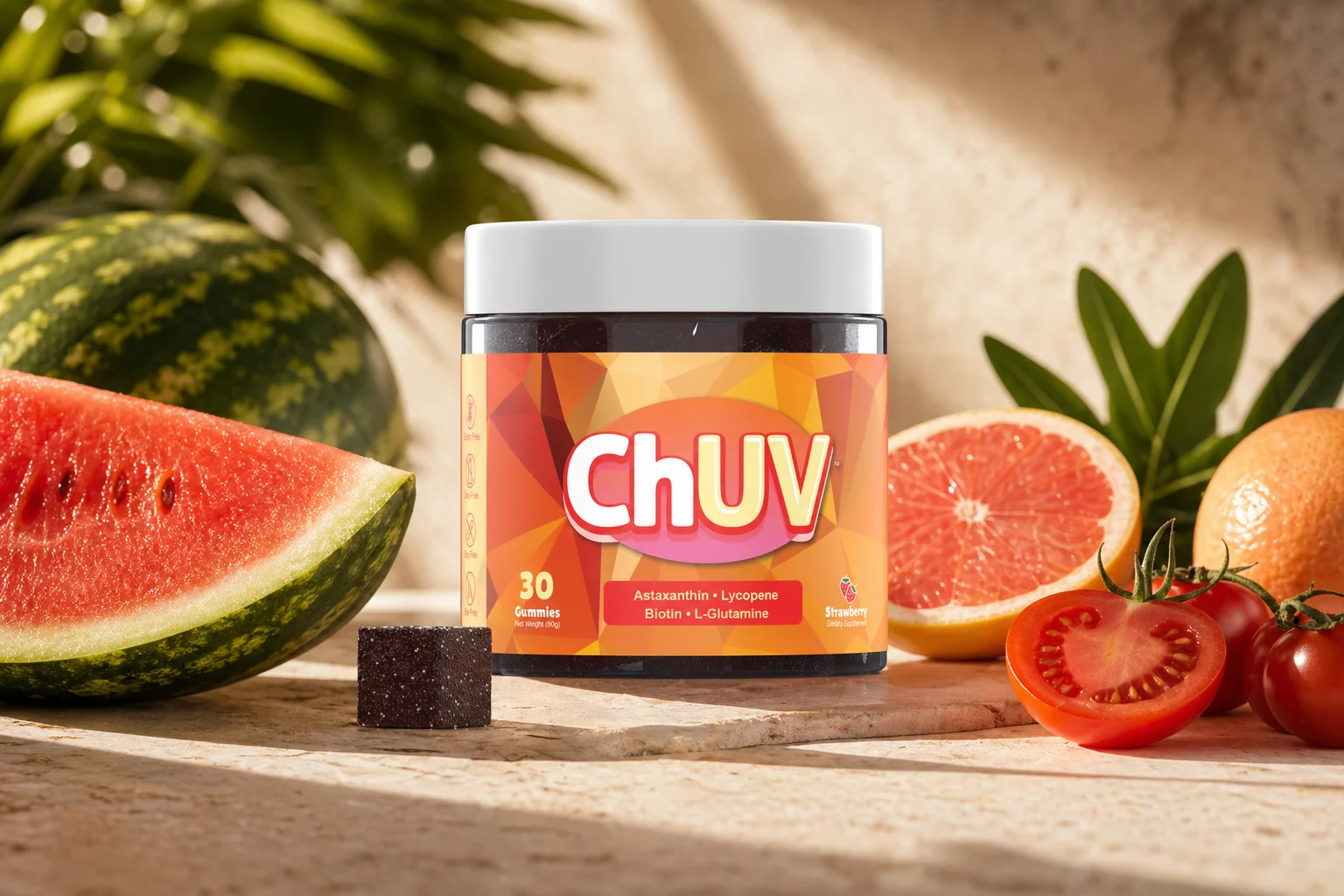
Your diet directly shapes your skin color and tone. Foods rich in carotenoids deposit pigments into skin tissue, producing a natural warm glow while building real protection against UV-induced oxidative damage. The science is consistent across decades of published human research.
The Foods That Actually Change Skin Color
Carotenoids are fat-soluble pigments found in brightly colored plants, algae, and certain seafood. When consumed consistently, these compounds accumulate in the outer layers of the body's skin and gradually shift its color toward warmer, more sun-kissed tones. Research by Stahl et al. in the Journal of Nutrition (2001) confirmed that consistent dietary carotenoid intake produces measurable changes in skin color within weeks.
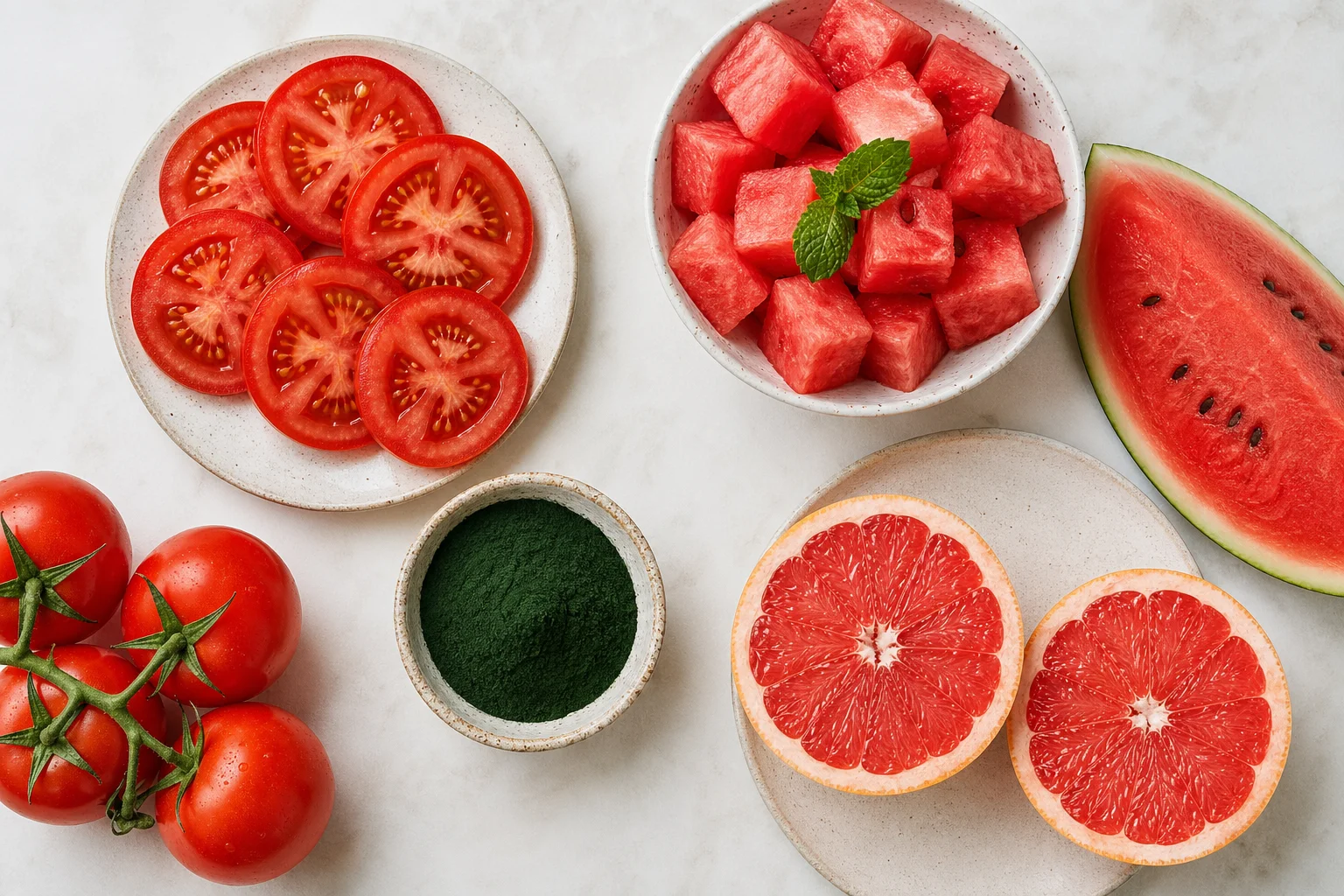
The most concentrated dietary sources of skin-active carotenoids include cooked tomatoes and tomato products (lycopene), watermelon and pink grapefruit (lycopene), microalgae-derived supplements (astaxanthin), and guava combined with vitamin C-rich foods. Among all carotenoids studied for skin pigmentation, lycopene and astaxanthin produce the most favorable tone outcomes without unnatural color shifts.
The degree of change in skin color depends on intake consistency, individual baseline pigmentation, and sun exposure. What you eat can measurably change your skin color, and lighter skin tones often show the effect more visibly in the first weeks.
How Carotenoid Pigments Shape Skin Tone
Carotenoids do not stimulate melanin production directly. Instead, they deposit into the stratum corneum, the outermost skin layer, and alter how skin reflects light. Melanin remains the primary driver of deep pigmentation triggered by UV exposure, but dietary carotenoids complement melanin by adding a warm undertone that adjusts the overall appearance of skin tone.
Research by Alaluf et al. in the British Journal of Dermatology (2002) found that carotenoid-related skin pigmentation is one of the primary contributors to natural variation in human skin colour, independent of melanin. Even people who do not tan easily can achieve a warmer, healthier skin tone through consistent carotenoid intake in their diet. The two mechanisms apply in complementary ways: melanin handles UV-driven deep pigmentation changes, while dietary carotenoids adjust the surface tone toward a natural, sun-kissed appearance.
Antioxidants as UV Shields
Sun exposure generates free radicals that damage skin cells, accelerate collagen breakdown, and drive cumulative changes in skin pigmentation over time. Dietary antioxidants neutralize these free radicals before they cause structural harm. Two stand out for both UV protection and natural skin tone changes: astaxanthin and lycopene.
In the Stahl et al. study (Journal of Nutrition, 2001), subjects consuming concentrated lycopene from tomato paste showed measurably reduced UV-induced skin redness compared to a control group. This is real photoprotective activity at the cellular level, not a surface color effect. The sun protection benefit compounds with the pigmentation benefit, meaning consistent intake supports both a healthier tone and healthier skin over time.
Astaxanthin, derived from the microalgae Haematococcus pluvialis, is among the most potent natural antioxidants studied in human health research. A clinical study by Tominaga et al. published in Acta Biochimica Polonica (2012) found that oral astaxanthin supplementation improved skin elasticity, moisture retention, and reduced UV-induced skin degradation in human subjects. The researchers also noted meaningful benefits for eye health: astaxanthin accumulates in ocular tissue and protects the eyes from light-induced oxidative stress, which few other dietary carotenoids achieve at comparable levels.
Why Astaxanthin and Lycopene Outperform Beta Carotene
Not all carotenoids produce the same skin color changes. Beta carotene, found in high concentrations in carrots and sweet potatoes, is associated with unnatural yellowish-orange tinting when consumed in large quantities. This condition, carotenodermia, causes a color shift that looks nothing like a natural tan. The palms, eyes, and soles are typically the first areas to show this discolouration.
Many older skin supplement formulas relied on beta carotene as the primary active pigment. The results were predictable: skin color shifted toward an artificial orange-yellow hue, making supplement use obvious rather than flattering.
ChUV gummies use astaxanthin and lycopene exclusively. These two pigments deliver a natural warm glow consistent with what a healthy, carotenoid-rich diet and moderate sun exposure produce together. There is no unnatural yellowish-orange tinting. The color change reads as healthy, not supplemented.
Can Diet Alone Change Your Skin Color?
Getting adequate astaxanthin and lycopene from food alone to meaningfully shift skin color is harder than most people expect. Lycopene levels sufficient to affect skin pigmentation typically require multiple daily servings of cooked tomato products. Astaxanthin is even more difficult to obtain from whole foods: wild salmon contains small amounts, but achieving the concentrations studied for visible skin tone changes through diet alone is not practical for most people.
This is where supplementation applies directly. One ChUV gummy daily, a dark reddish-purple sugar-coated cube delivering both astaxanthin and lycopene, builds a consistent carotenoid load in the outer skin layers over 4 to 8 weeks. Combined with a healthy diet and moderate sun exposure, especially as April and the spring and summer months bring more natural light, the effect on skin color becomes visible and sustained.
Frequently Asked Questions
Can foods really change my skin color? Yes. Carotenoid-rich foods deposit pigments directly into the outer skin layers over several weeks, producing a gradual shift in skin color and tone. Research by Alaluf et al. in the British Journal of Dermatology (2002) confirmed this independently of melanin-driven tanning. The result is a warmer, healthier colour that builds with dietary consistency. It is not the same mechanism as UV-driven melanin changes, but both can compound positively when combined.
Which antioxidants are best for UV skin protection? Astaxanthin and lycopene are the two most studied dietary antioxidants for UV protection and skin pigmentation. Both have been shown in published human research to reduce UV-induced damage and contribute to natural skin color changes. Astaxanthin is considered particularly potent per molecule, with documented benefits for skin health, elasticity, and eye protection, as confirmed by Tominaga et al. in Acta Biochimica Polonica (2012).
How long does it take to see skin color changes from carotenoid intake? Published research consistently points to 4 to 8 weeks for visible skin color changes when carotenoid intake is daily and at adequate levels. Irregular or low-dose intake produces minimal visible changes. Consistency matters more than any single large dose, which is why daily supplementation outperforms occasional dietary intake for reliable skin tone results.
Will ChUV gummies cause my skin to turn orange? No. ChUV uses astaxanthin and lycopene, not beta carotene. The unnatural yellowish-orange tinting associated with high beta carotene consumption is not linked to astaxanthin or lycopene at supplemental doses. The expected result is a natural warm glow that mirrors what a carotenoid-rich diet and healthy sun exposure produce together, not an artificial color shift.
Does astaxanthin affect eye color? Astaxanthin does not change eye color. Iris pigmentation is genetically determined and is not affected by dietary carotenoids. However, astaxanthin accumulates in ocular tissue and provides meaningful protection for eye health. Research has documented benefits for eye fatigue and protection against oxidative light damage to the retina. These are protective health effects, not color changes to the eyes themselves.
Start Building a Smarter Glow
A natural sun-kissed tone built on real nutrition science starts with consistent carotenoid intake, and supplementation closes the gap that food alone cannot fill reliably. Shop ChUV Tanning Gummies to see exactly what goes into every dark reddish-purple cube, or contact the CAYO team with any questions about how ChUV fits into your daily routine.


